Short answer
Yes. Remodeling can release lead dust, asbestos fibers, silica dust and mold spores when old materials are cut, sanded or torn out. Homes built before 1978 may have lead paint, and many older homes contain asbestos. Testing first and using contained, lead-safe work practices keeps your family safe.
Written and reviewed by the Renovision Design & Build team, a Bellevue design-build contractor (WA license RENOVDB768D7). Prices reflect our 2026 project pricing on the Eastside. Updated November 2026.
Which toxins can a remodel release?
| Hazard | Where it hides | Homes most at risk |
|---|---|---|
| Lead dust | Old paint on trim, windows, doors and siding | Built before 1978 |
| Asbestos fibers | Popcorn ceilings, vinyl floor tile and adhesive, pipe and duct insulation, textured walls, vermiculite | Older homes, especially mid-century |
| Crystalline silica | Cutting concrete, tile, stone and quartz | Any home during demolition or counter work |
| Mold spores | Behind showers, under sinks, in damp basements and attics | Any home with past leaks |
What are the rules in Washington?
- Lead. Contractors who disturb painted surfaces in homes built before 1978 must be certified in lead-safe work practices under the Renovation, Repair and Painting rule, which Washington administers through its Department of Commerce.
- Asbestos. In the Puget Sound region, the clean air agency generally requires an asbestos survey by a certified inspector before renovation or demolition work that disturbs building materials.
- Silica. Washington workplace safety rules require dust control when cutting stone, tile and concrete.
Because rules and exemptions change, we confirm the current requirements for each project before demolition starts.
How a safe remodel works
- Test before demolition. An asbestos survey and lead testing on surfaces that will be disturbed.
- Abate if needed. A licensed abatement contractor removes asbestos before general work starts.
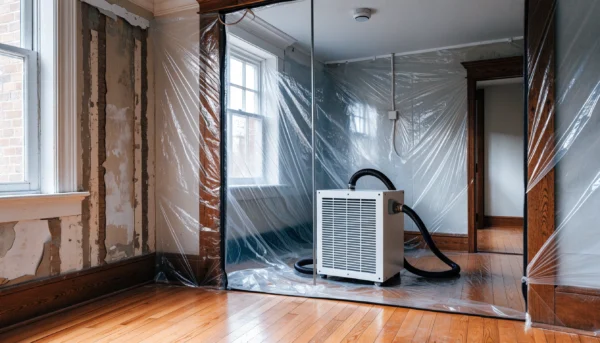
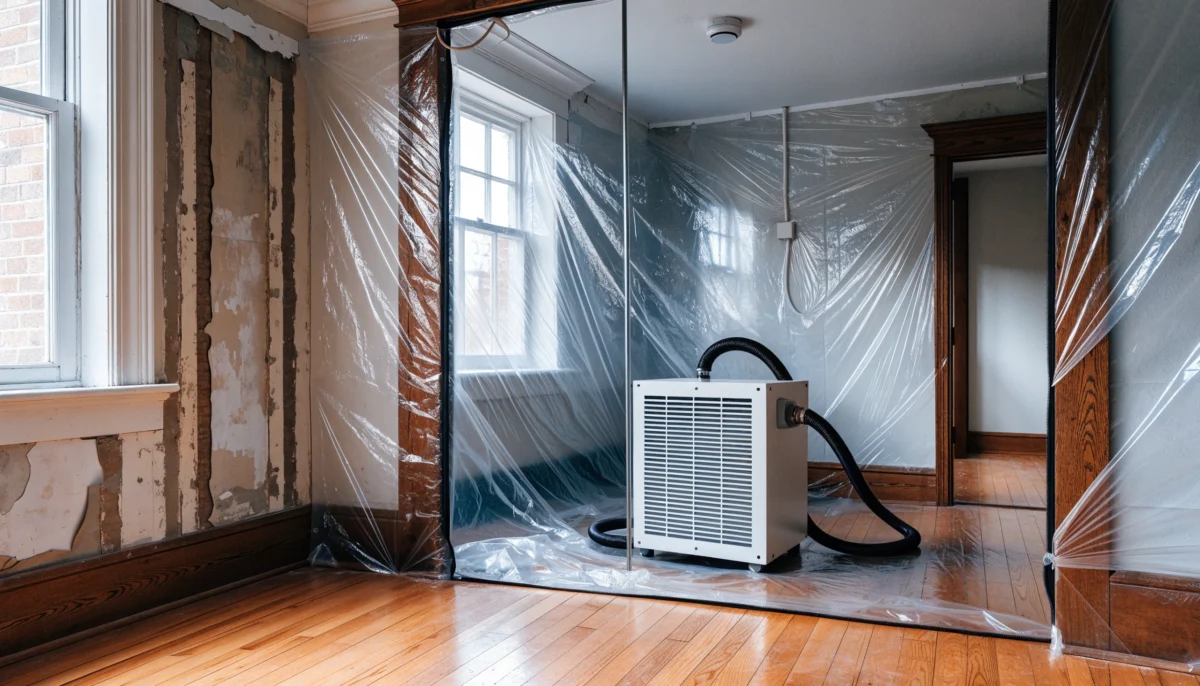
- Contain the work area. Plastic sheeting, sealed vents and negative air.
- Control dust. HEPA vacuums, wet cutting and daily cleanup.
- Clean and verify. Final cleaning and, for lead work, cleaning verification.
Why this matters on the Eastside
Much of Bellevue, Kirkland, Redmond and Mercer Island was built from the 1950s to the 1970s, right in the lead and asbestos era. On older home remodels, Renovision plans testing and any abatement into the schedule, so there are no surprises after the walls are open. Planning a bigger project? See our whole home remodel cost guide. Damp basement? Start with basement waterproofing.
Planning a project? Get a free consultation with Renovision Design & Build. Call (425) 276-6501 or send us your project details. Learn more about Older home remodeling.
Frequently asked questions
Can remodeling make you sick?
It can if old materials containing lead, asbestos, silica or mold are disturbed without testing and dust control. Proper testing and containment prevent exposure.
How do I know if my house has asbestos?
You cannot tell by looking. A certified inspector takes samples and has them lab-tested before work starts.
Does my house have lead paint?
If it was built before 1978, assume it might. A certified renovator or inspector can test the surfaces that will be disturbed.
Should I leave the house during a remodel?
During abatement or heavy demolition in an older home, stay out of the work area and sometimes out of the house. Your contractor should tell you when.
Is asbestos testing required before a remodel in Washington?
In the Puget Sound region, an asbestos survey is generally required before renovation or demolition that disturbs building materials. Your contractor should confirm the current rules for your project.